


AI has made it easier than ever to produce content. It has not made it any easier to know what to make, why to make it, or how to make it land. That gap between generating and directing is where brands win or lose in today's saturated media landscape, and it is exactly why the human at the top of the creative process has never been more important.
TL;DR: AI is a powerful production tool, not a creative director. Anyone can generate footage or a script today. What brands actually need is someone who starts with a clear outcome, shapes a story around it, and uses every available tool, including AI, to deliver that story with purpose and precision. That is what a producer-led model does.
The Tool Does Not Tell the Story
A recent conversation on How AI Is Redefining What It Means to Be Creative, a16z Deep Dives, made a point worth sitting with: AI tools expand what is technically possible, but they do not supply the intent behind the work. The creative judgment, the sense of what a piece is actually for, still has to come from a person.
That is not a criticism of AI. It is just an honest description of what these tools are. A camera does not frame a shot. A word processor does not write a compelling argument. And an AI model does not decide what story a brand needs to tell right now, to which audience, and to what end. A director does.
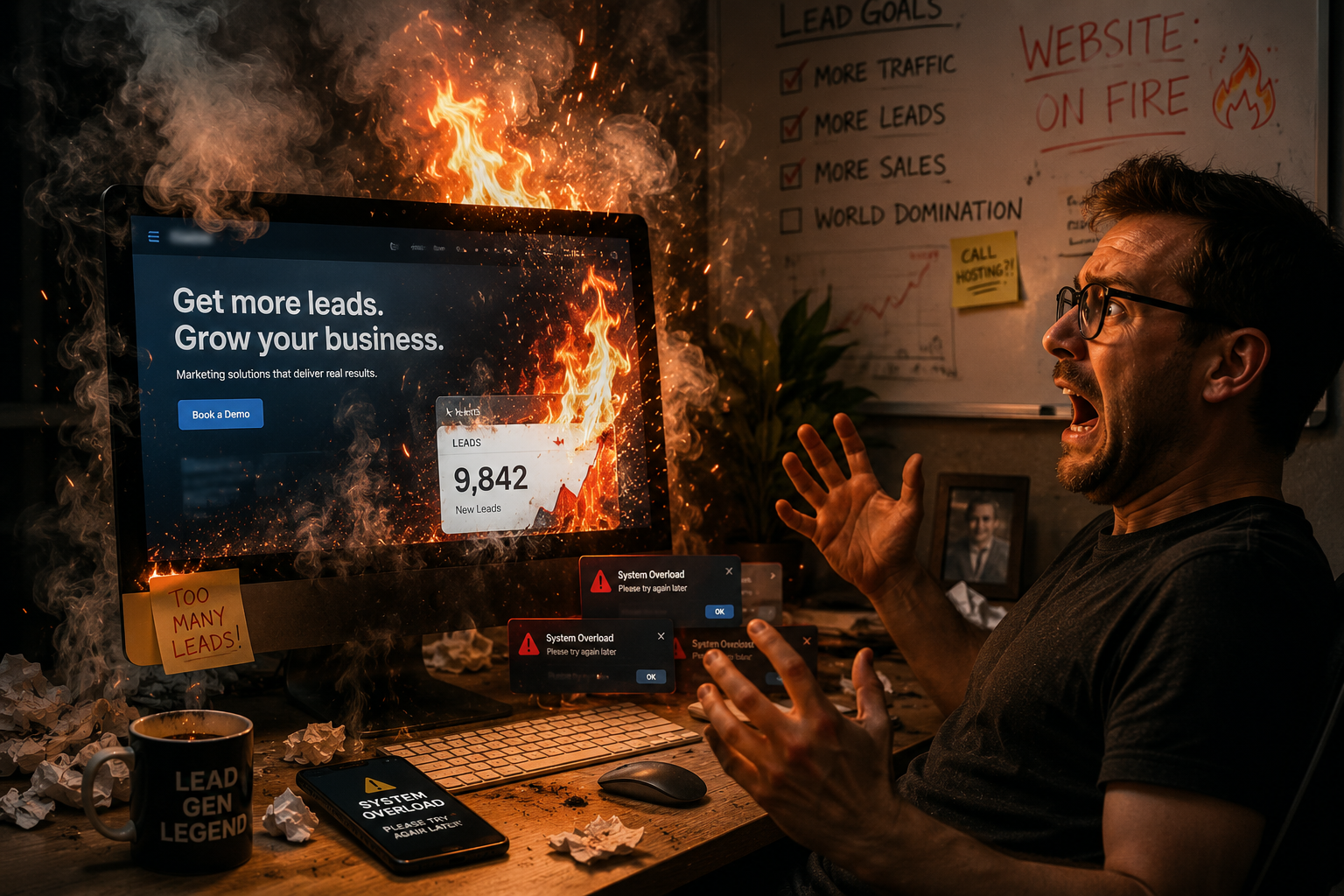
The risk in an AI-saturated world is not that creative work gets worse. It is that it gets cheaper and faster to produce work that looks professional but says nothing in particular. Volume goes up. Signal goes down. And brands that rely on tools without directing them end up with a lot of content and very little communication.
What Direction Actually Means
Direction is not a personality trait or a title. It is a set of decisions made before a single frame is captured or generated.
- What is the outcome? A brand film that drives leads has a different shape than one that builds trust with an existing customer. Both are valid. Neither writes itself.
- Who is the audience, and what do they already believe? A story that works for a skeptical first-time buyer fails for a loyal returning customer, and vice versa.
- What is the single thing this piece needs to do? Not the list of things a stakeholder meeting surfaces. The one thing. Forcing that answer is a creative act, and it is the hardest part of any production.
- What tone, pace, and structure serve that goal? These are craft decisions. AI can execute them once they are made. It cannot make them.
Every one of those questions requires a human being with production experience, creative judgment, and a stake in the outcome. That is what a producer does. That is what a director does. And in the current environment, it is what separates brands that use AI well from brands that are simply using AI.
Why the AI Moment Rewards the Producer-Led Model
When production tools were expensive and slow, some of the director's leverage came from controlling access to those tools. That leverage is gone. A motivated team with the right software subscriptions can produce polished-looking work quickly. So can a competitor. So can anyone.
What cannot be automated is the upstream thinking: the strategy session where you figure out what problem the video actually solves, the creative brief that keeps thirty decisions anchored to one idea, the judgment call on the third day of an edit when two directions are both technically fine but only one of them is true to the brand.
A producer-led model front-loads all of that. Strategy and outcomes come first. The tools, AI or otherwise, come after, in service of a clear creative direction. That sequence is the difference between content that performs and content that merely exists.
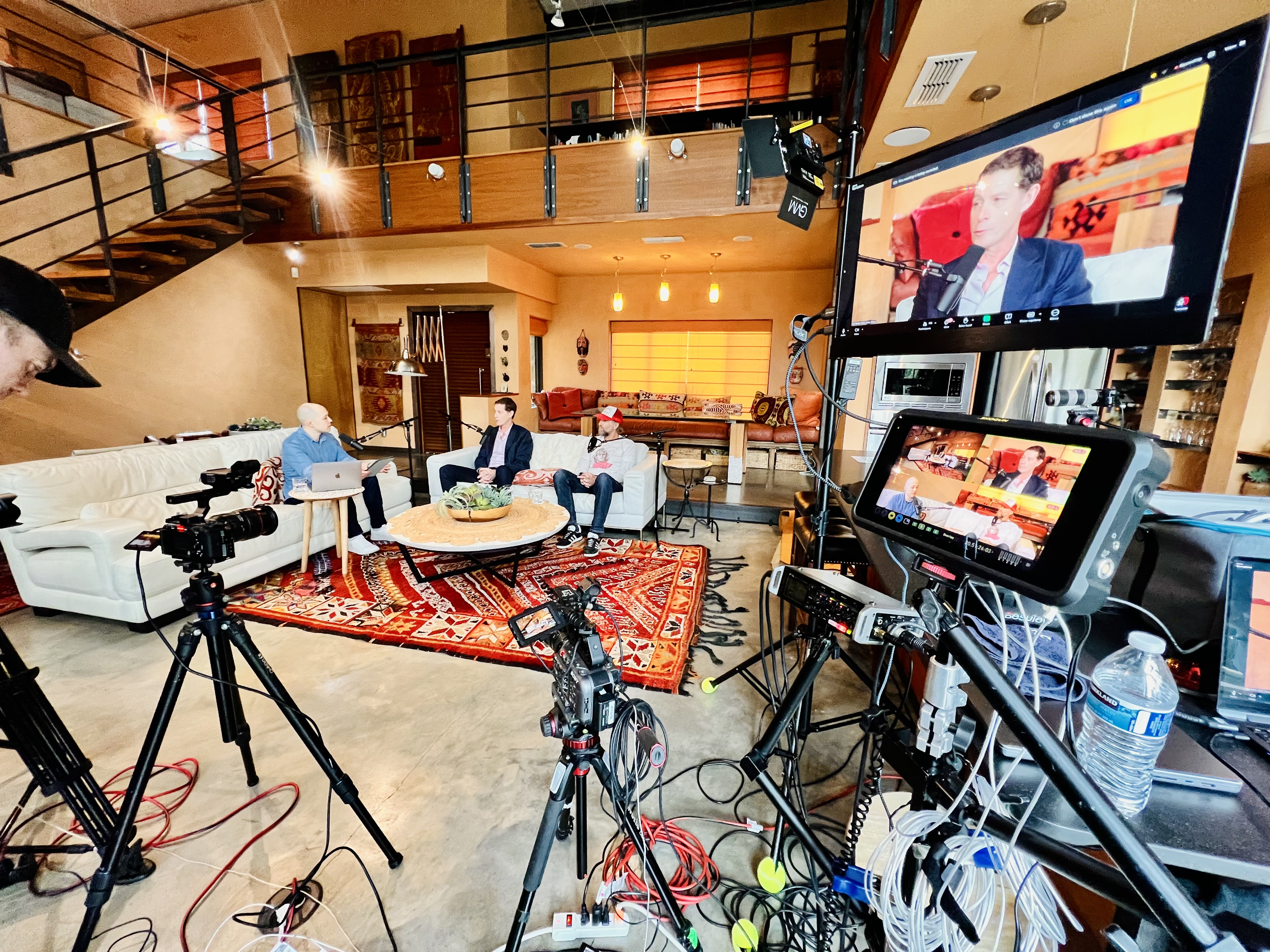
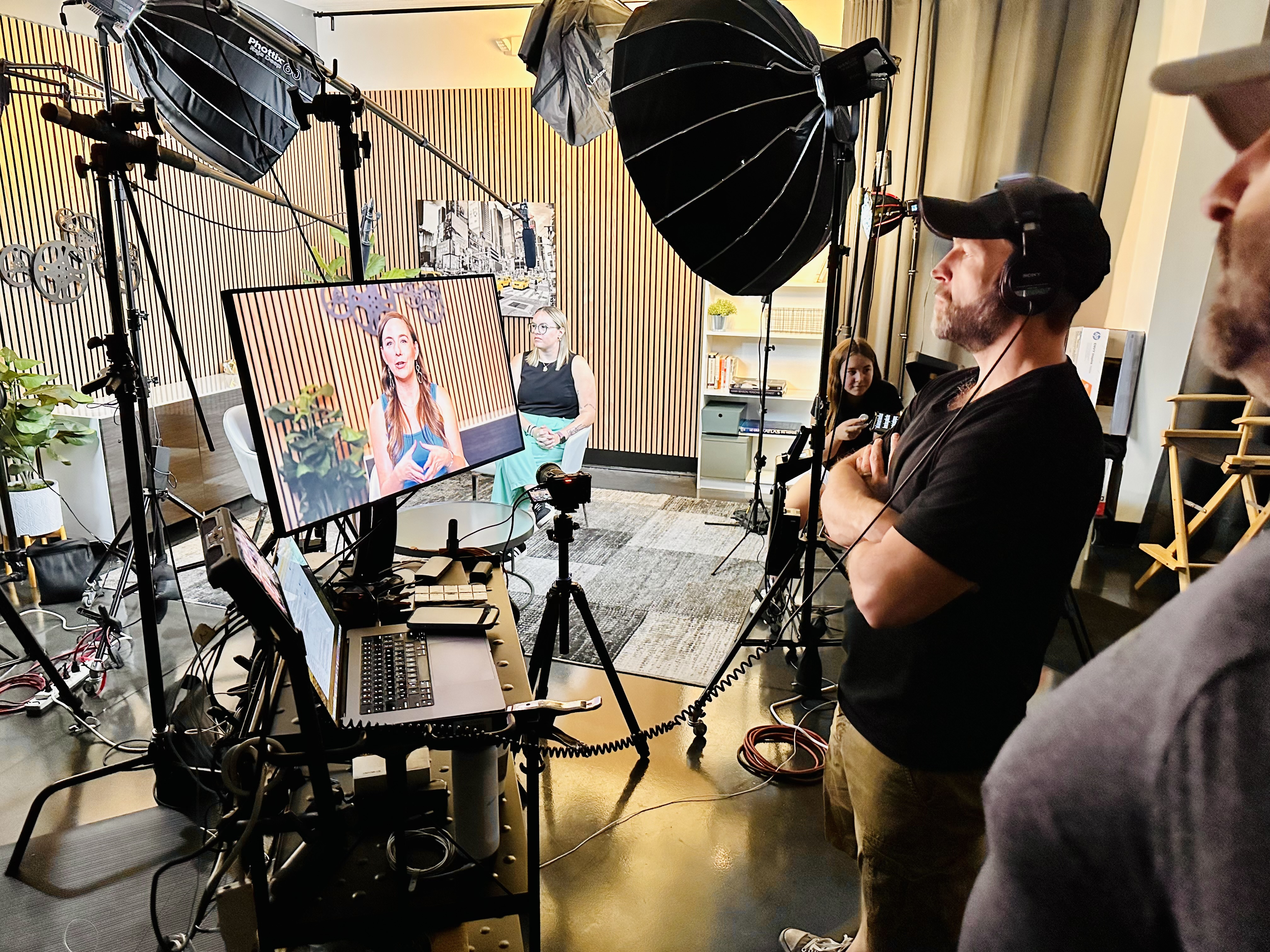
At Mainstage, AI has made our production process faster. It has not changed the order of operations. We still start with the same question we always have: what does this brand need to say, and what is the best possible way to say it? Then we direct the work, human and AI together, toward that answer.
Great Capture Is What AI Actually Runs On
Here is something that gets glossed over in most conversations about AI-accelerated production: the quality of what AI can do is only as good as the quality of what you give it to work with.
Our work with the Palms Las Vegas is a clear example. Using AI tools, we are now able to deliver significantly more finished deliverables from a single shoot, extending a property's content library in ways that were not practical before. But every bit of that output depends on what we put in front of the camera in the first place. Lighting, camera angles, composition, performance direction, the decisions that require a trained eye and real production discipline, those are still entirely in the hands of the professionals on set. AI cannot model from bad capture. It can only amplify what is already there.
That is the part people miss. If the capture is poor, no AI tool fixes it. Flat lighting stays flat. A weak angle stays weak. A missed moment stays missed. When the capture is excellent, AI becomes a genuine multiplier, helping us turn one well-executed shoot into a broader range of polished assets across formats and placements. The technology raises the ceiling on what a great shoot can produce. It does not lower the floor on what a shoot needs to be.
For a property like the Palms, where the visual standard is high and the brand impression matters at every touchpoint, that distinction is everything. The pros bring the expertise so that AI has the highest possible quality to work from. That is the real workflow, and it is why hospitality photo and video done right still starts on set, with skilled hands behind the camera.
Generating Is Not Directing
Here is a concrete way to think about it. A prompt is a request. A brief is a decision. Typing instructions into an AI model and selecting the best output is a useful skill. It is not the same as deciding what the story is, why it matters, what it should feel like to watch, and how it connects to something the audience already cares about.
The a16z Deep Dives conversation frames this well: AI expands the range of what a creative person can execute, but the creative person still has to do the directing. The tools amplify the vision. They do not replace it.
That means the value of working with a team that knows how to direct has gone up, not down. When AI can handle more of the mechanical production work, the human hours freed up go toward the craft decisions that no tool can make. More time for story structure. More time to refine a script until it sounds like a real person speaking. More time to review an edit with fresh eyes and ask whether it actually does what it was supposed to do.
What Brands Should Actually Be Looking For
If you are a marketing or brand leader evaluating production partners right now, the right question is not who has the best AI tools. Everyone has tools. The right question is who starts with your outcome and builds every production decision around it.
Look for a team that asks hard questions before they agree on a concept. Look for a producer who can articulate what the finished piece is supposed to do, not just what it will look like. Look for a process that moves from strategy to story to production, in that order, and does not skip steps because the tools make it tempting to.
That is the producer-led model. It is not a philosophy. It is a discipline. And in a world where AI makes it easy to generate a lot of content fast, discipline is what makes the content worth watching.
How Mainstage Puts This Into Practice
Every project we take on at Mainstage starts the same way, with a conversation about outcomes. What does the brand need this to do? Who is going to watch it, where, and in what frame of mind? What does success look like six months after delivery?
From those answers, we build a creative direction. Then we produce against it, using every tool available, including AI where it makes the work better or faster, always with a human director shaping every decision. The client gets a finished piece that was built to accomplish something specific, not a library of assets that look good and go nowhere.
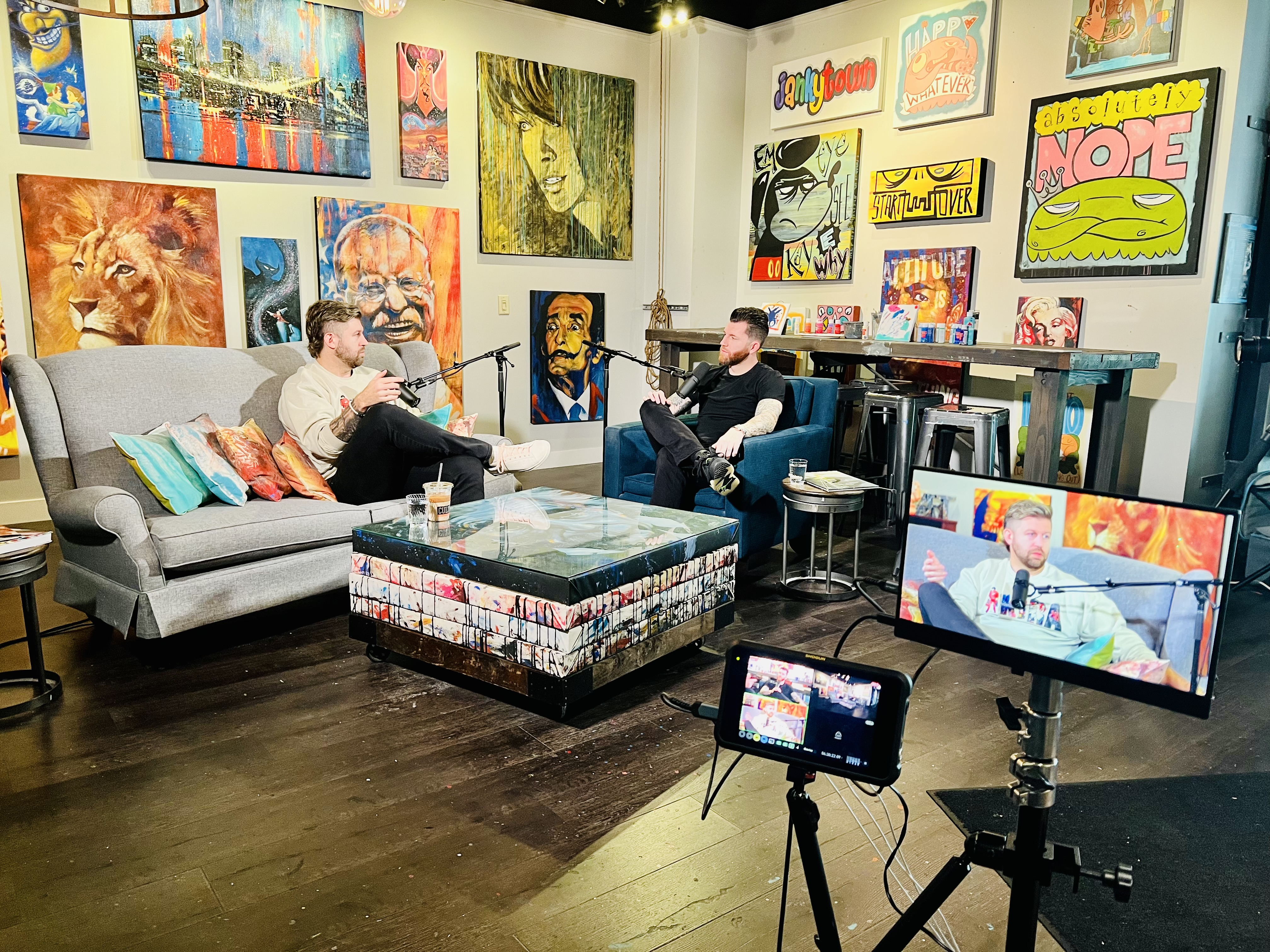
We handle this end to end across brand films, commercials, and video production, as well as e-learning and corporate training video, podcast production, and more. One team, one process, one clear line from strategy to delivery.
If you are navigating an AI-saturated content landscape and need a team that knows how to direct, not just generate, we would like to talk. Explore what we produce, or reach out to book a call with David and the Mainstage team.