Multi-camera production is the right choice any time a single camera would miss something that matters. Whether you are recording a podcast with two hosts and a guest, covering a live panel on a conference stage, or producing a training video with a presenter and a product demo happening simultaneously, one camera simply cannot be everywhere. A properly planned multi-cam setup captures every angle, every reaction, and every key moment in real time, giving your editor the raw material to build something polished and professional without asking anyone to repeat themselves.
What Multi-Camera Production Actually Means
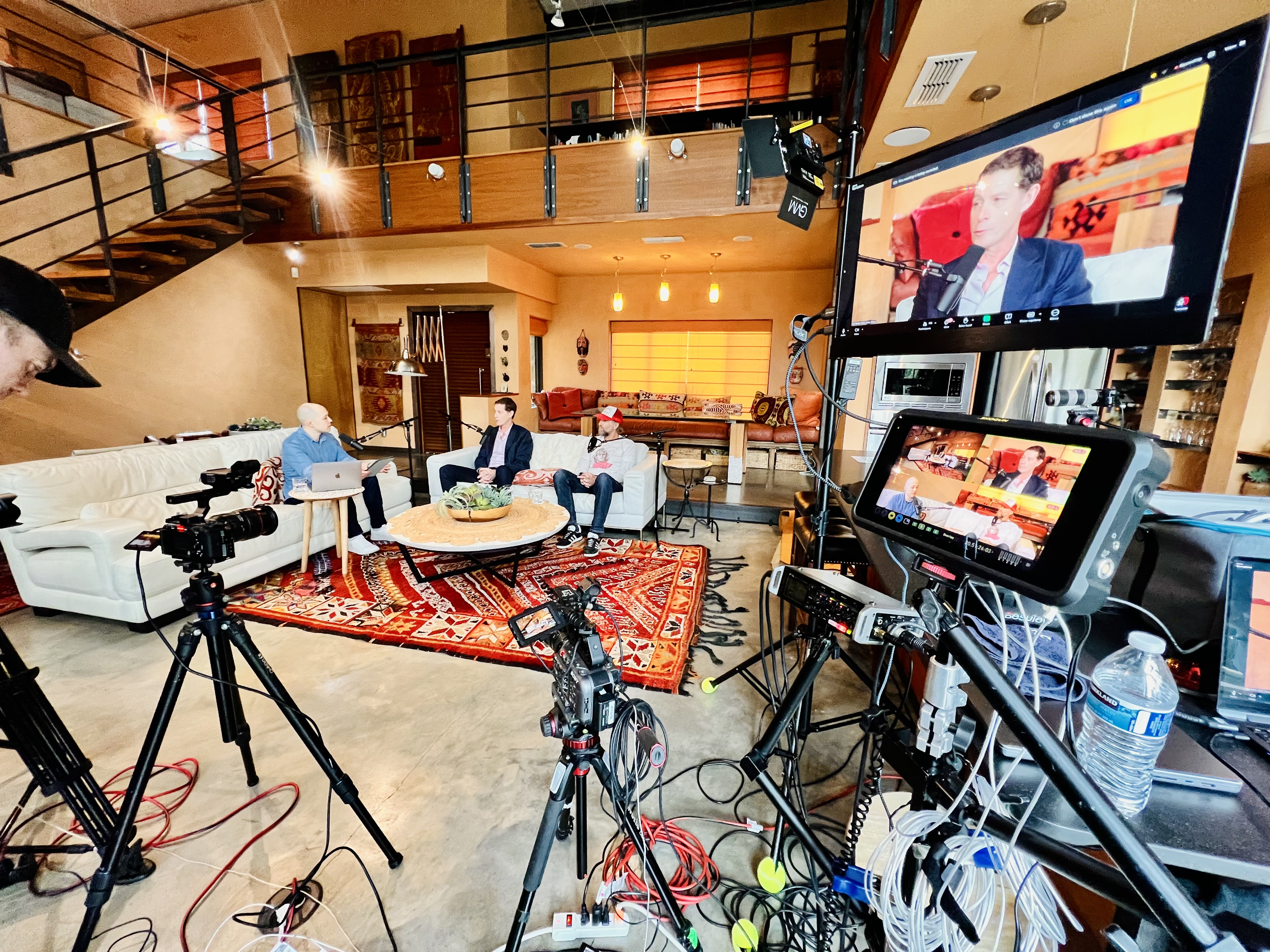
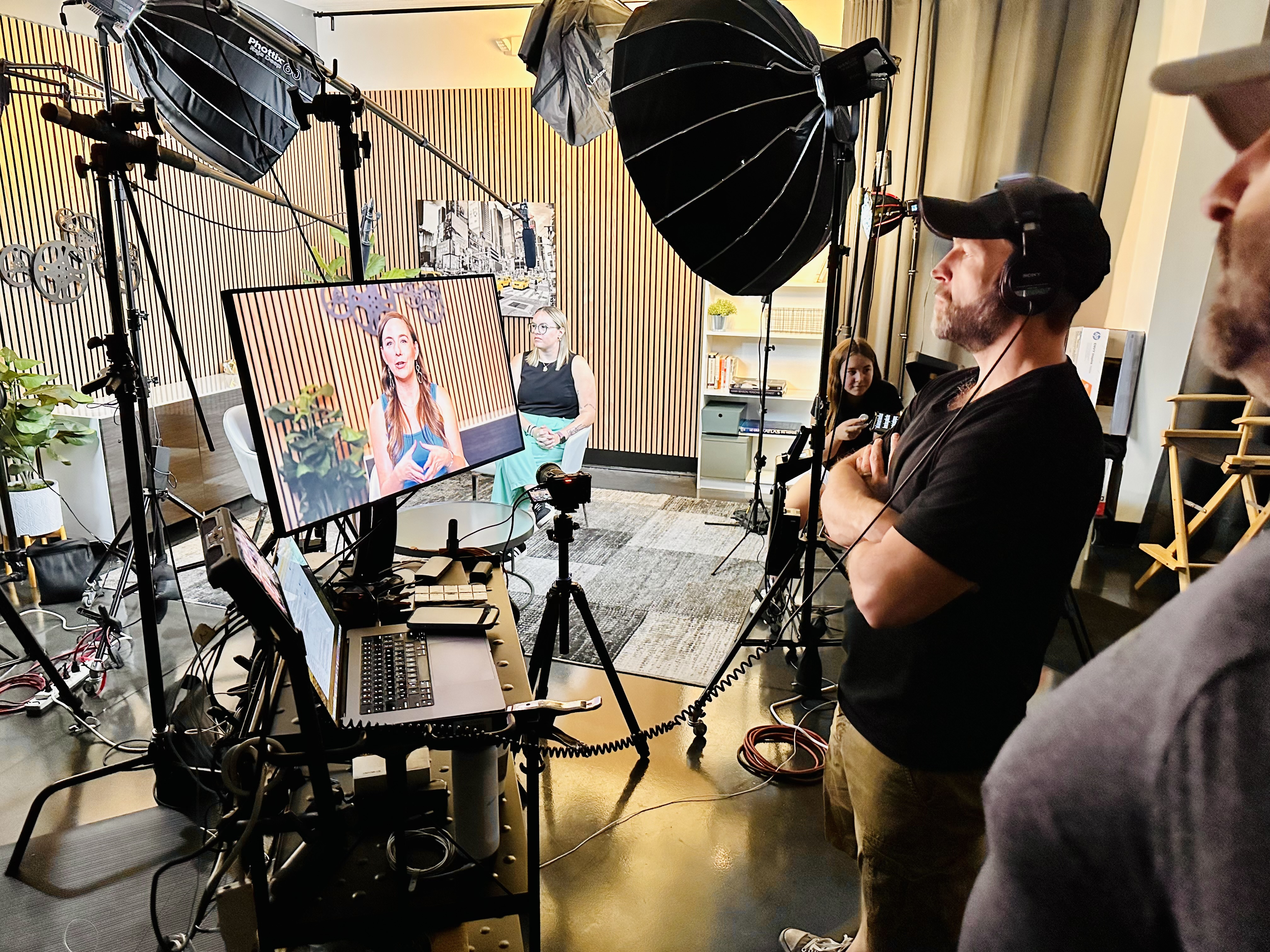
Multi-camera production means running two or more cameras at the same time, each assigned to a specific angle, subject, or purpose. Those feeds are either recorded separately and synced in post or switched live through a production switcher, depending on the format. The cameras do not just point at the same thing from different distances. Each one has a job: wide shot for context, medium shot for the speaker, close-up for detail, cutaway for reaction. A skilled producer maps all of that out before a single camera is powered on.
At Mainstage Multimedia, multi-cam production starts with a shot list and a plan, not a guess. We figure out what the finished piece needs to say, then we design the camera configuration around that outcome. That distinction matters. A crew that shows up with cameras but no plan will get you footage. We get you a finished product.
Podcast Production: Where Multi-Cam Makes the Biggest Difference
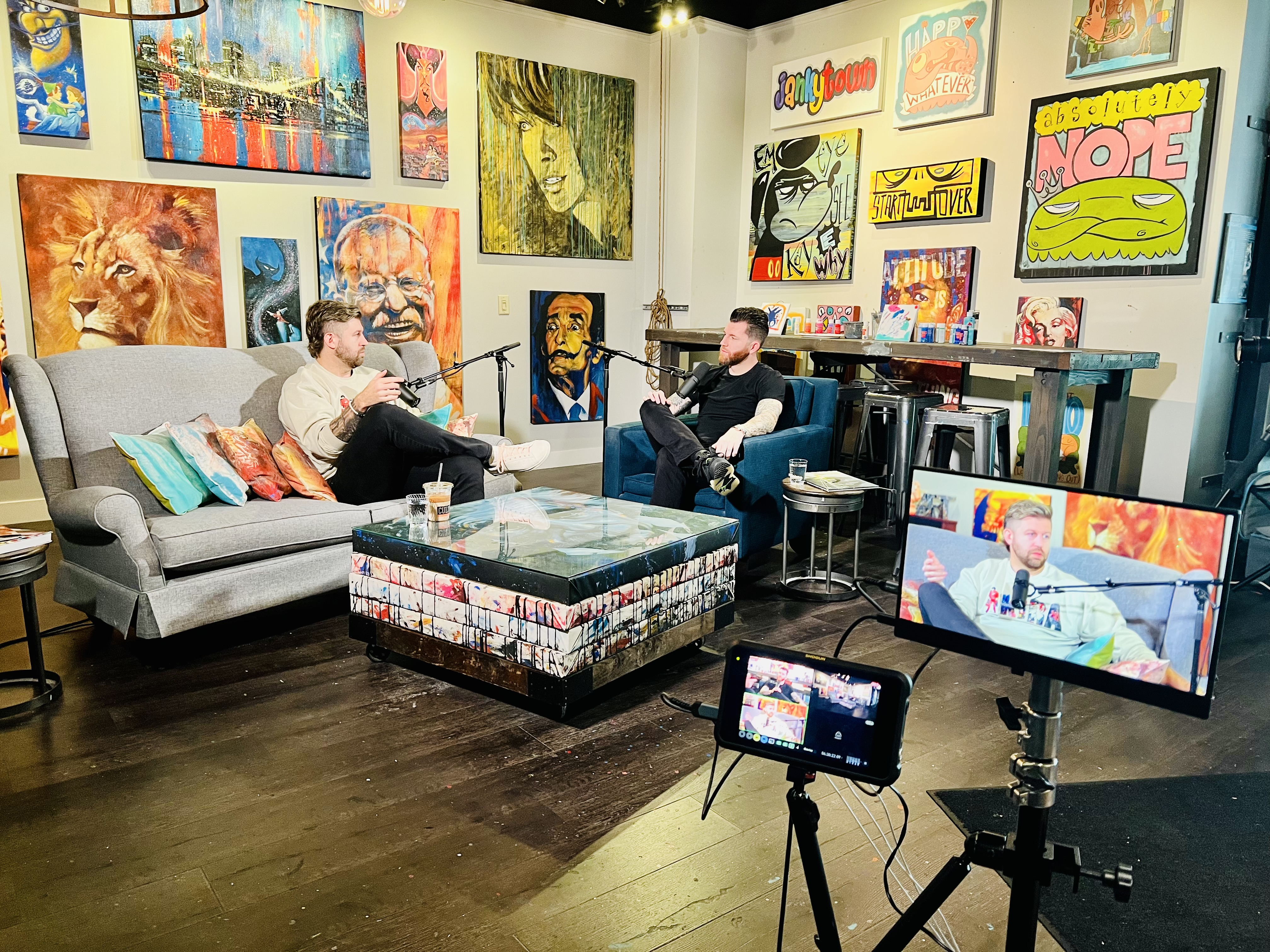
Podcast production is one of the clearest use cases for multi-camera coverage. A conversation between two or three people has natural rhythm and energy, and a single locked-off camera flattens all of it. When you cut between a host asking a sharp question and a guest leaning in to answer, the audience feels the dynamic. When you stay on one wide shot for forty-five minutes, they tune out.
Our podcast production studio in Las Vegas is built for exactly this. We run a dedicated camera on each host and guest, a wide establishing shot, and insert cameras for product or screen captures when the conversation calls for it. The audio and video are captured together in a controlled environment, which means your editor is not wrestling with mismatched levels or syncing headaches. You walk out with a conversation. We deliver you an episode.
Video podcasts are no longer a nice-to-have. Audiences expect to watch their favorite shows, not just listen. Multi-camera coverage is what separates a video podcast that builds an audience from one that looks like a webcam recording.
Live Events and Conference Coverage
Las Vegas hosts more conferences, summits, and corporate events than almost anywhere else in the world. Capturing them well is a real production challenge. A keynote speaker moves. Audience members react. Panels have four people talking over each other. Slides change. A single camera operator cannot follow all of that and still deliver footage worth using in a recap, a marketing campaign, or an internal training library.
Multi-camera event coverage solves that problem. We assign cameras to the stage, the audience, the speaker close-up, and the presentation screen. A technical director or a post-production workflow ties it all together. The result is event video that actually communicates the energy and substance of what happened, not just a static wide shot of a podium.
We work with event producers, marketing teams, and corporate communications leaders who need their event content to do something after the event is over. That means thinking about clips for social media, highlight reels for sales decks, and full-session recordings for on-demand access, all planned before we ever walk into the venue.
Corporate Training and E-Learning Video
Training video often involves a presenter, a screen or whiteboard, and a demonstration happening at the same time. Cutting between those three elements in real time, or in post from separate recorded feeds, keeps learners engaged in a way that a single locked camera never will. Adult learners lose focus fast. Visual variety is one of the most practical tools for keeping them with you.
Our e-learning and corporate training video work frequently uses multi-camera setups to separate the instructor from the demonstration, give learners a clear view of the content, and create natural editing points that break long lessons into digestible pieces. We also plan for reusability. A module recorded with proper multi-cam coverage can be updated with a new insert shot without reshooting the entire lesson.
Brand Films and Commercials
Narrative and commercial work uses multi-camera setups differently than live or unscripted productions, but the logic is the same: capture more in less time, give the editor choices, and protect the performance. Running two cameras on an interview subject means you capture the best take from two angles simultaneously. Running multiple cameras on a product moment means you get the wide story shot and the close detail shot without asking talent to reset.
For brand films and commercials, the multi-cam approach also compresses shoot days. Fewer setups mean less time on location, which means lower overall production costs without sacrificing the coverage your editor needs. That is producer thinking, not just camera thinking.
Our video production and brand film work is planned from script to screen. Camera configuration is one decision inside a larger creative and logistical plan, not the starting point.
Hospitality and Food and Beverage Content
Restaurant and hospitality brands often want to show an experience unfolding, a chef at work, a cocktail being built, a dining room coming alive for a Friday night service. These moments are real and unrepeatable. Multi-camera coverage captures the whole story without stopping the kitchen to reset a shot.
We bring the same discipline to hospitality and food and beverage video that we bring to every other format. A wide camera captures the room, a tight camera captures the detail, and a third camera catches the human moment in between. The result is content that makes a viewer feel like they are already sitting at your table.
What to Expect from a Producer-Led Multi-Cam Shoot
Here is what working with Mainstage Multimedia on a multi-camera project actually looks like:
- Pre-production planning. We start with what the finished piece needs to accomplish. From there we build a shot list, a camera configuration, a run-of-show, and a post-production plan before anyone sets foot on set.
- Crew and gear matched to the project. Not every multi-cam shoot needs a four-camera broadcast rig. Not every podcast needs a cinema setup. We right-size the production for the goal and the budget.
- Direction on set. A producer or director is running the shoot, not just watching it. Guests and on-camera talent are coached. The room is managed. Nothing is left to chance.
- Post-production included. Editing, color, audio mix, graphics, and delivery are part of what we produce. You are not handed a hard drive of raw footage and wished good luck.
- You own everything. All finished files are yours. No licensing fees, no usage restrictions, no ongoing payments to access your own content.
Why Las Vegas Is a Smart Place to Produce Multi-Camera Content
Las Vegas has world-class venues, a deep pool of production infrastructure, and a climate that rarely shuts down an outdoor shoot. It is also where a significant portion of national conferences, product launches, and corporate events happen every year. If your team or your clients are already coming to Las Vegas for an event, there is no better time to layer in a dedicated video production with the content strategy and coverage your brand actually needs.
Mainstage Multimedia is built for exactly that intersection. We work with local brands, national companies shooting in Las Vegas, and clients who want to use their conference or event as the anchor for a broader content strategy. The multi-camera production we build around your event can fuel months of marketing, training, and brand content.
Ready to Plan Your Multi-Camera Production?
If you have a project that involves real conversations, live moments, on-camera demonstrations, or any content where one camera clearly is not enough, we would love to talk through what a proper multi-cam setup could look like for you. Reach out to the Mainstage Multimedia team to book a discovery call, or explore our podcast production services to see how we approach one of the most common multi-camera formats we produce.