


If you used an AI tool to research your audience, scout trends, or shape your brand video brief, that research is likely built on information that is roughly 18 months old. That is not a flaw in your process. It is a structural limit of how large language models work, and it has real consequences for whether your video content lands or falls flat the moment it publishes.
TL;DR
- AI models are trained on data with a significant cutoff, meaning built-in market knowledge is not current.
- Relying on that knowledge alone to drive brand video strategy puts you behind the moment you start.
- A producer-led discovery process, grounded in real-time research and direct audience insight, closes that gap before production begins.
- Mainstage builds this discovery phase into every engagement so your strategy reflects where your market is now, not where it was.
The 18-Month Blind Spot
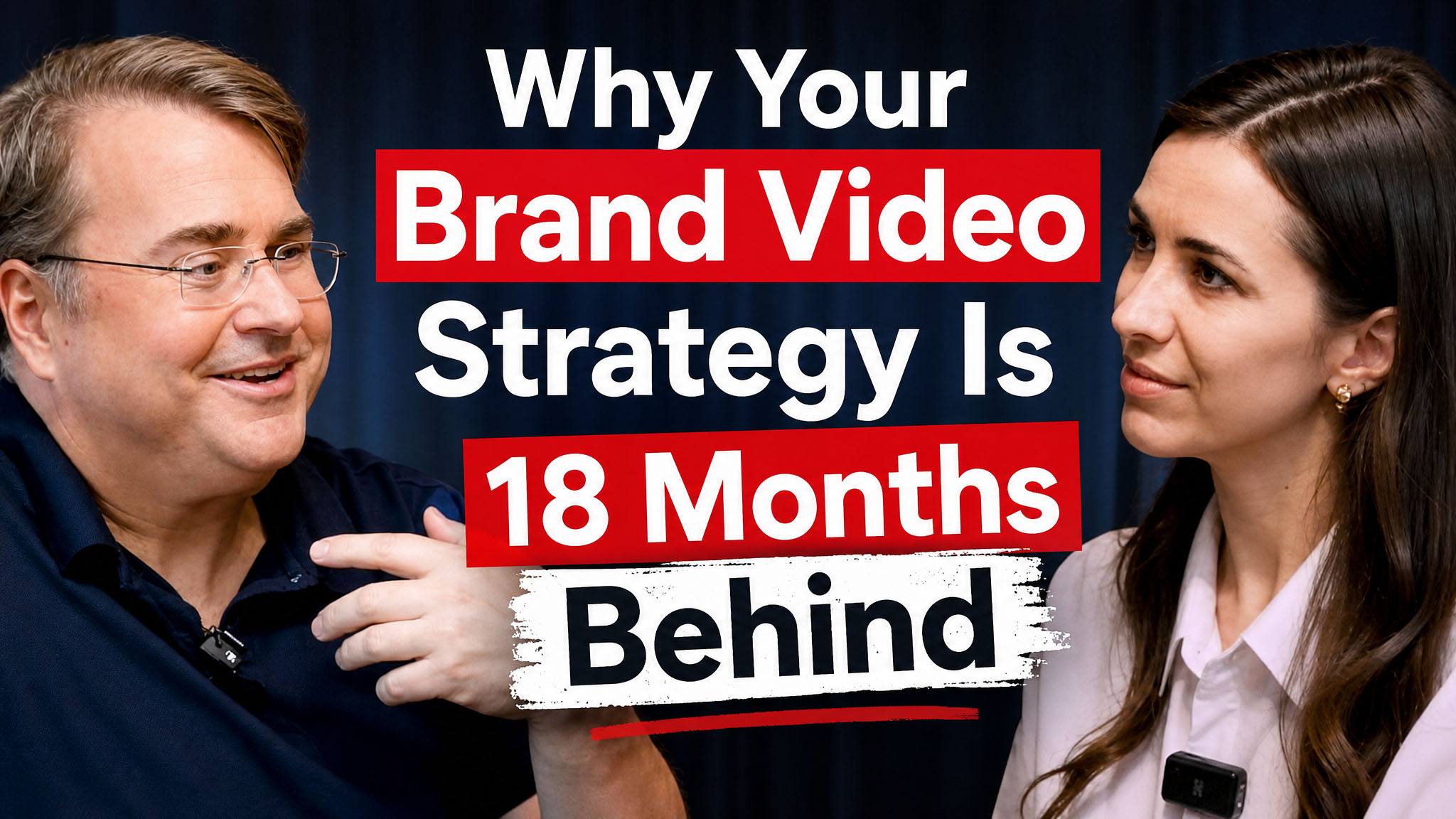
In a conversation on Silicon Valley Girl with Marina Mogilko, Reid Hoffman made a point that every brand and marketing leader should sit with: AI models are trained on data that is approximately 18 months behind the present moment. That training cutoff is baked into the model. No matter how fluent or confident the output sounds, the underlying knowledge of what audiences care about, what competitors are doing, and what cultural moments are driving attention reflects a world that has already moved on.
For content that is purely informational, that lag is manageable. For brand video strategy, which lives or dies on relevance, timing, and emotional resonance, 18 months is a long time to be behind.
What This Means for Brand Video Specifically
Brand video is not a commodity. A commercial, a brand film, or a series of thought-leadership pieces takes weeks or months to develop, produce, and distribute. By the time your video is live, your strategy needs to be ahead of where the market is right now, not anchored to where it was before your AI tool was even trained.
When brands skip a real discovery phase and let AI-generated briefs do the heavy lifting, a few things tend to happen:
- Messaging targets audience pain points that have already shifted.
- Tone and creative references feel slightly off without anyone being able to say exactly why.
- Competitors who did fresh research publish content that feels more urgent and connected.
- The video performs below expectations and the team debates production quality when the real gap was strategic.
None of this shows up on the production day. It shows up at launch, when it is too late to fix without starting over.
The Producer-Led Discovery Phase: What Real-Time Research Looks Like
At Mainstage, strategy is not a checkbox before production. It is the foundation everything else is built on. Before a single camera rolls, we run a discovery process that is designed to surface what is actually true about your market right now.
That means direct conversations with your team and, where possible, your customers. It means reviewing current competitor content, not summaries of it. It means looking at live data: what is performing, what questions your audience is actively searching, and what the cultural or industry conversation looks like at this moment. AI tools are part of that process, but they are used for synthesis and speed, not as the primary source of market truth.
The output is a creative brief that reflects the present, not the past. Positioning that is sharp because it is grounded in what your audience actually needs today. A content direction your team can stand behind because it came from real insight, not a confident-sounding placeholder.
Why This Is a Production Problem, Not Just a Marketing Problem
Here is the part that often gets missed. Once production begins, the strategy is locked. You are not going to stop a shoot to rethink your core message. You are not going to rewrite a script in post because the audience insight turned out to be stale. The decisions that determine whether a brand video works are made before the crew arrives, and they cannot be undone cheaply afterward.
This is exactly why a producer-led model matters. A producer's job is to protect the outcome, not just the schedule. That means asking hard strategic questions early, when the answers can still change the work, rather than late, when they can only change the budget.
Reid Hoffman's point about AI training cutoffs is a useful reminder that tools do not replace judgment. They accelerate it when judgment is already grounded in current reality. A discovery process gives you that grounding. Without it, you are building an expensive piece of content on a foundation that was poured 18 months ago.
How to Close the Gap Before Your Next Video Project
Whether you are planning a brand film, a commercial campaign, or a series of video content, here is a practical starting point:
- Do not start with a brief. Start with questions. What has changed in your market since your last major video project? What are customers asking your sales team right now? What is your most successful competitor publishing and why?
- Use AI to move faster, not to think for you. Let AI tools help you organize and synthesize information you have gathered from real sources. Do not let them be the primary source.
- Build discovery into the timeline and the budget. A proper strategy phase is not overhead. It is the cheapest insurance you can buy against a video that misses.
- Work with a producer who asks uncomfortable questions early. If your production partner jumps straight to creative concepts without spending real time understanding your market, that is a sign the strategy will be thin.
The Mainstage Approach
We built our process around producer-led thinking from the start. Every brand video and commercial project we take on begins with a discovery phase that is specific to your market, your audience, and your moment. We use AI to accelerate the work, but every strategic decision is shaped by humans who are paying attention to what is happening right now. You get a finished solution that is current, not a production that reflects a conversation nobody is having anymore.
If your next video project matters enough to invest in, it matters enough to get the strategy right first. We would be glad to show you what that looks like in practice.
Ready to build a brand video strategy that reflects your market as it actually is? Explore our video production approach or reach out to book a discovery call with our team.